

Diamond Education Center
Why Learn With Redmond Diamond Center?
The internet offers endless information about diamonds but knowing which information truly matters can be overwhelming. At Redmond Diamond Center, we believe education should come before the purchase. Our goal is to help you understand your options, answer your questions honestly, and explain what really makes one diamond different from another.
With more than 40 years of experience in the diamond industry—from diamond cutting and sourcing to custom jewelry design—we've learned that a grading report is only part of the story. The most beautiful diamond isn't always the one with the highest grades; it's the one that offers the best combination of beauty, quality, and value for you.
Whether you're comparing natural and lab-grown diamonds, learning about the 4Cs, or choosing an engagement ring, we're here to provide honest guidance so you can make a confident, informed decision.
Diamond Buying Guides
Buying a diamond is one of the most meaningful purchases you'll ever make. While every diamond is unique, understanding a few key principles can help you make a confident, informed decision. These guides are designed to answer common questions and provide practical advice based on decades of real-world experience.
How to Get the Best Value When Buying a Diamond
Finding the right diamond isn't about spending the most money it's about making smart choices. Understanding which characteristics have the greatest impact on beauty and which grades offer the best value can help you maximize your budget. We'll explain where it's worth investing and where you may be able to save without sacrificing the diamond's overall appearance.
Common Diamond Myths
There are many misconceptions about diamonds that can make the buying process confusing. From believing a larger carat weight always means a better diamond to assuming every high-grade diamond is beautiful, we'll separate fact from fiction and help you focus on what truly matters when choosing a diamond.
Questions to Ask Before Buying a Diamond
Buying a diamond is a significant investment, and asking the right questions can make all the difference. We'll help you understand what to ask about grading reports, diamond quality, fluorescence, proportions, return policies, warranties, and other important details so you can make an informed decision with confidence.
How to Compare Two Diamond
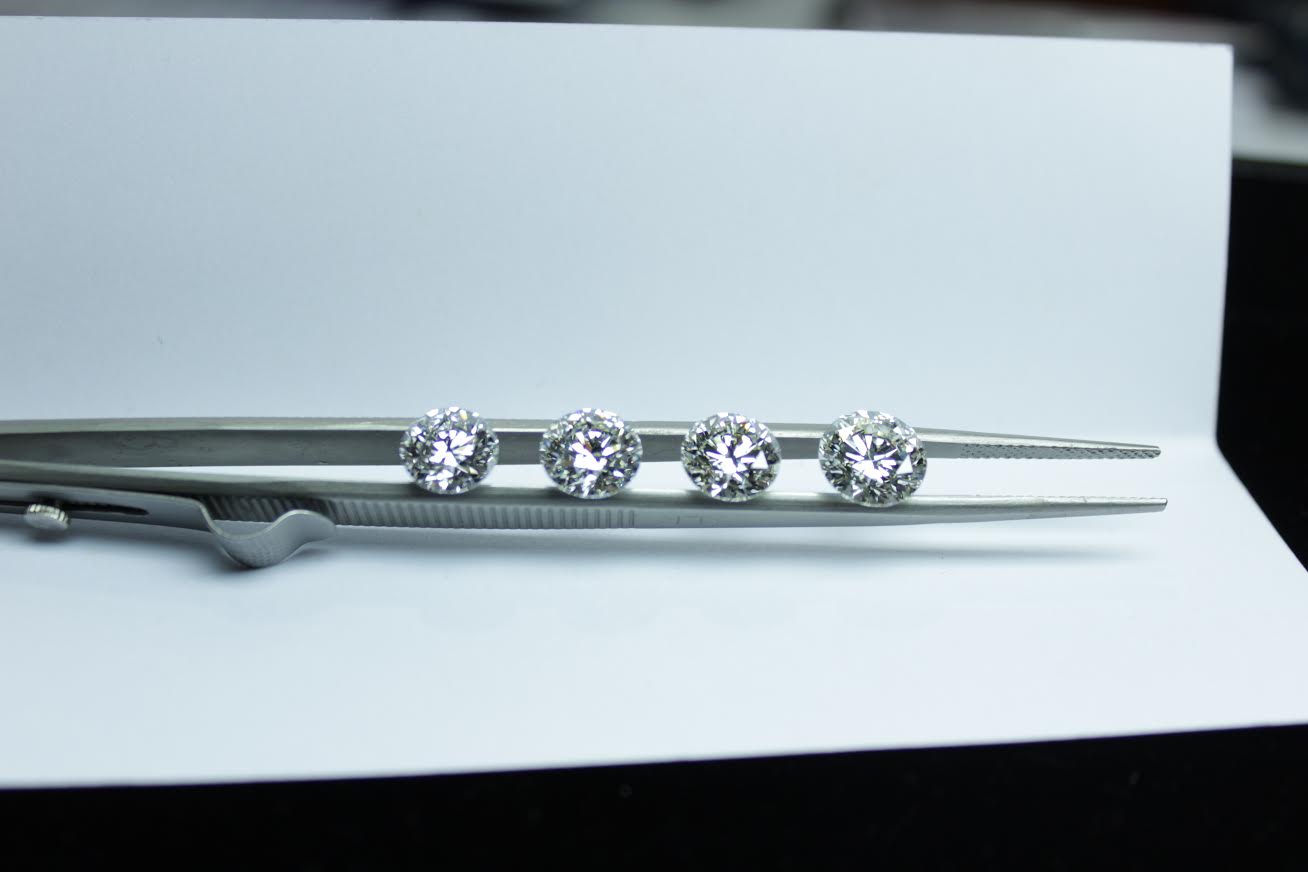
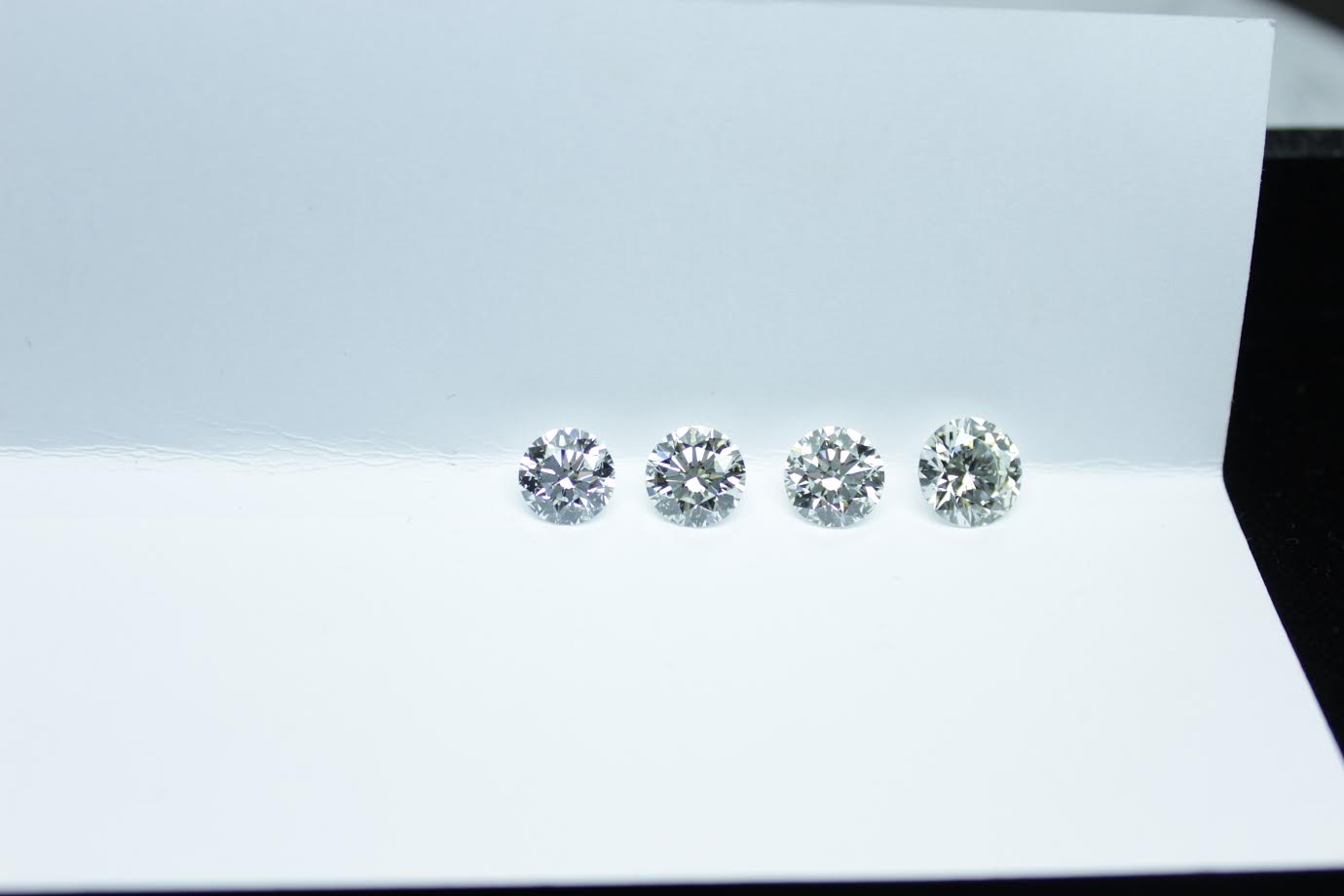
Two diamonds may have identical grades on a laboratory report yet look completely different in person. Learning how to compare light performance, proportions, sparkle, transparency, and overall beauty will help you recognize the differences that aren't always reflected on a grading report and choose the diamond that truly stands out.
Expert Diamond Insights
After more than 40 years in the diamond industry, I've learned that choosing a beautiful diamond is about much more than reading a grading report. These insights are based on real experience from cutting and sourcing diamonds to helping thousands of clients select the right diamond for their engagement ring and fine jewelry.
Why I Look Beyond the 4Cs
The 4Cs are an excellent starting point, but they don't tell the whole story. Learn why I also consider factors such as light performance, proportions, crystal quality, transparency, and overall beauty before recommending a diamond.
What You Can't Learn From a Grading Report
A grading report provides valuable information, but it can't show you how a diamond performs in different lighting or how it compares to another diamond with the same grades. Understanding what a report doesn't tell you is just as important as understanding what it does.
Why Seeing a Diamond in Person Still Matters
Photos and grading reports are helpful, but nothing compares to seeing a diamond with your own eyes. Viewing a diamond in different lighting allows you to appreciate its sparkle, brilliance, and personality qualities that can't always be captured on a screen.
My Advice After 40 Years in the Diamond Industry
Over the years, I've learned that the best diamond isn't always the largest or the highest graded. It's the one that offers the right balance of beauty, quality, value, and personal meaning. My goal is to help every client choose a diamond they'll love for a lifetime.