

Redmond Diamond Center Blog
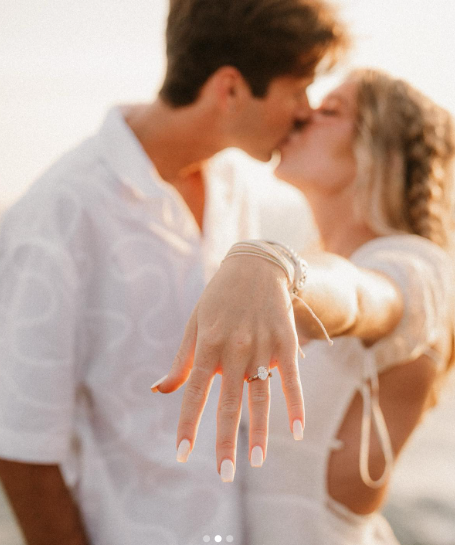
Choosing an engagement ring should be exciting, but with so many diamond shapes, settings, metals and styles available, it can quickly become overwhelming. After more than 40 years in the diamond business, one thing I’ve learned is that you don’t need to know exactly what you want before you start looking. In fact, many customers come into my showroom with pictures of the ring they think they want and leave excited about something completely different. That’s why I believe choosing an engagement ring should be a process of comparing, trying and discovering what looks and feels right for you. Start With the Diamond Shape Before getting too focused on the setting, I usually recommend starting with the shape of the center diamond. Round, oval, emerald, pear, marquise and other shapes each create a very different look on the hand. A round diamond gives you a timeless, classic appearance. An oval can create an elegant, elongated look. Emerald cuts have beautiful clean lines and a more sophisticated feel, while pear and marquise shapes offer something more distinctive. Pictures are helpful for inspiration, but they don't tell the whole story. I’ve had many customers walk in convinced they wanted one shape and change their mind after seeing several diamonds side-by-side and trying them on their hand. Then Think About the Setting Once you have a better idea of the diamond shape you like, the setting becomes much easier to choose. A classic solitaire keeps all the attention on the center diamond. A cathedral setting adds more structure and presence. A diamond or pavé band gives you additional sparkle, while a hidden halo adds detail that may be more noticeable from the side than from the top. Three-stone rings create another completely different look, with side diamonds adding width and presence across the finger. There is no setting that is “best.” The right setting is the one that complements the center diamond and fits the person who will be wearing it. Consider How You Live This is an important part of choosing an engagement ring that sometimes gets overlooked. An engagement ring isn't something you wear for a photograph. Ideally, it will be worn every day for many years. Think about your work, hobbies and daily routine. Do you prefer a ring that sits low on the finger? Do you like a larger, more noticeable profile? Are you comfortable with small diamonds along the band, or would you rather have the simplicity of a plain gold or platinum band? Beauty matters, but so does comfort and practicality. A beautiful engagement ring should work with your life, not against it. Think About the Wedding Band Before the Wedding This is one of the most important pieces of advice I give customers. Don't wait until you're shopping for the wedding band to think about how it will fit with the engagement ring. Some engagement ring settings allow a straight wedding band to sit completely flush against the ring. Others may leave a small space or require a curved or specially designed wedding band. None of these choices is necessarily wrong. What matters is knowing what you are choosing before the engagement ring is made. If having the engagement ring and wedding band sit perfectly together is important to you, we should consider that from the beginning. Choose the Metal That Looks Right to You Yellow gold, white gold and platinum can make the exact same engagement ring design look surprisingly different. Yellow gold creates a warm contrast against a white diamond and has become extremely popular again. White gold and platinum provide a bright, neutral appearance and blend beautifully with the diamond. You don't necessarily have to choose only one color. For example, I often show customers the option of a yellow gold band with a white gold or platinum head holding the center diamond. This gives you the warmth of yellow gold while keeping the metal around the diamond white. Again, seeing the combinations in person makes the decision much easier. Don't Choose Your Ring Only From Instagram or Pinterest Social media is a great place to find inspiration. Save pictures. Bring screenshots. Show your jeweler everything you like. But don't assume that because a ring looks beautiful in a photograph, it will automatically be the right ring for you. Diamond size, finger size, band width, setting height and proportions can dramatically change how a ring looks on your hand. Use online pictures to tell us what direction you like. Then try different options. Pay Attention to Proportion This is something that's difficult to judge from a photograph. A beautiful engagement ring is more than simply choosing the largest center diamond possible. The size and shape of the center stone, width of the band, size of side diamonds, prongs and height of the setting should all work together. With a three-stone ring, for example, the side diamonds should complement the center diamond rather than compete with it. With a solitaire, even a small change in band width can make the center diamond appear very different. Good proportion is one of the things that makes a finished ring look balanced. You Don't Have to Know Exactly What You Want Probably one of the most common things customers tell me when they make an appointment is: “I don't really know what I want.” That's completely fine. You don't need to know all the terminology. You don't need to understand every setting style. And you certainly don't need to make your decision before walking through the door. That's part of what the appointment is for. At Redmond Diamond Center, we can compare different diamond shapes, sizes and qualities side-by-side and then look at different ways to set them. Sometimes we narrow it down immediately. Sometimes we discover that the ring you thought you wanted isn't the one you love most on your hand. There is no reason to rush that process. Find the Ring That Feels Right An engagement ring is personal. Trends can give you ideas, friends and family can give you opinions, and social media can provide endless inspiration. But ultimately, the best engagement ring isn't necessarily the most popular style. It's the one you love wearing. If you're looking for an engagement ring in Carlsbad or North County San Diego, you're welcome to schedule a private appointment at Redmond Diamond Center. We'll take the time to compare diamonds and ring styles together and help you understand your options without pressure. Whether you're considering a natural diamond, lab-grown diamond, an existing setting or a completely custom engagement ring, the goal is simple: Find the combination that feels right for you.
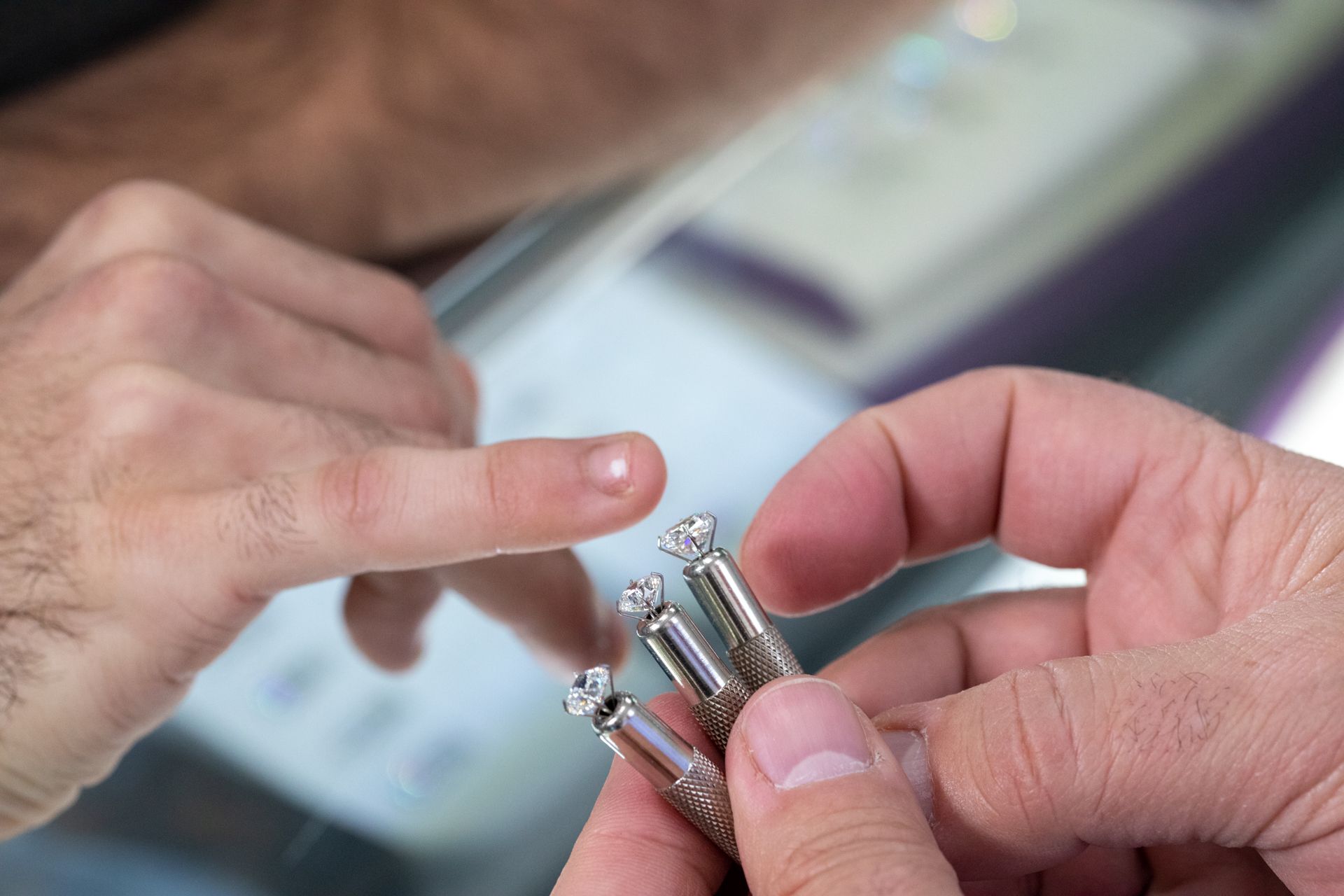
When shopping for a diamond, engagement ring, or special piece of jewelry, there are many different places to choose from. Traditional jewelry stores, larger retailers, online stores, and private jewelers can all offer different experiences. I believe there is a place for all of them. The question isn't which one is better. The question is which experience is right for you? At Redmond Diamond Center in Carlsbad, we offer a private, personal approach. For me, being a private jeweler isn't simply about having a private showroom or scheduling an appointment. It's about giving each customer the time, attention, and education they need to feel comfortable with their decision. What Is a Private Jeweler? A private jeweler works directly with clients in a more personal, one-on-one environment. Some customers enjoy walking into a traditional jewelry store, browsing the showcases, and seeing a large selection of jewelry on display. Others prefer sitting down with someone, asking questions, comparing different options, and taking the time to understand what they're buying. That's where the private jeweler experience can be different. At Redmond Diamond Center, the conversation starts with you. What are you looking for? What is important to you? Do you already know the diamond shape you like? Are you considering natural or lab-grown? Do you have a particular engagement ring style in mind, or are you just beginning the process? There is no single way every customer should shop. My First Priority Is Education I've worked with diamonds for more than 40 years, and one thing I've learned is that buying a diamond can be confusing. There is a lot of information available today, but more information doesn't always make the decision easier. The 4Cs are important, but a grading report doesn't tell you everything about how a diamond will actually look. That's why my first priority is to educate my customers. I want you to understand what you're looking at, what the differences are between the diamonds you're considering, and what you're paying for. I take all the time you need to understand every step of the process. I never want a customer to feel rushed simply because another appointment is waiting. Every Customer Is Different Some customers come into my showroom after doing months of research. They know the shape, size, color, setting, and sometimes even the exact specifications they're looking for. Others sit down and tell me, “I don't know anything about diamonds. Where do I start?” Both are perfectly fine. Sometimes I can tell that a customer has found what they want and is ready to move forward. Other times, I know they need more time. This is still a business, and of course I want to earn your business. But I don't believe in rushing someone into making an important purchase before they're comfortable with their decision. My job is to answer your questions, explain the options, and help you understand what you're buying. Seeing Diamonds Side by Side Makes a Difference One of my favorite parts of a diamond appointment is showing customers different diamonds side by side. Two diamonds may look very similar on paper but very different when they're sitting next to each other. Sometimes the diamond with the higher grade isn't the diamond the customer likes best. That's why I don't believe you should choose a diamond based only on a certificate. We look at the actual diamond. How does it sparkle? Where are the inclusions? Can you see them without magnification? How does the diamond face up? How does it look in different lighting? And most importantly: which diamond speaks to you? The certificate is important, but you're going to wear the diamond—not the certificate. Natural or Lab-Grown? Understand the Difference First Today, many customers also have another decision to make: natural or lab-grown diamond? We work with both. I'm not here to tell every customer that one is right and the other is wrong. They are different products with different considerations. My responsibility is to explain those differences clearly so you understand what you're buying. Once you understand the differences, you can decide what makes the most sense for you, your priorities, and your budget. Experience Beyond the Grading Report My relationship with diamonds started long before Redmond Diamond Center. I've spent more than 40 years in the diamond industry, including working as a diamond cutter, working in the diamond trade and wholesale business, and eventually working directly with customers. That background influences how I evaluate diamonds today. Of course I look at the grading report, but then I look at the diamond itself. I pay attention to the location of inclusions, how clean the diamond looks to the eye, its proportions, how it handles light, and whether I believe the customer is getting good value for what they're paying. Sometimes a small detail that doesn't seem important on paper can make a noticeable difference when you actually look at the diamond. A Different Way to Shop for Jewelry There is a place for every type of jewelry store, and different customers prefer different ways of shopping. Working with a private jeweler is simply a different experience. At Redmond Diamond Center, we don't begin the conversation by telling you what you should buy. We begin by listening. From there, we can compare diamonds, explore engagement ring styles, discuss custom design, look at wedding bands, or talk about redesigning a piece of jewelry you already own. Sometimes we know exactly where we're going from the beginning. Sometimes we discover it together. A Private Jeweler in Carlsbad and North County San Diego Redmond Diamond Center is a private jewelry showroom located in Carlsbad, California, serving customers throughout North County San Diego. We specialize in natural and lab-grown diamonds, engagement rings, custom jewelry, wedding bands, and jewelry redesign. For diamond and engagement ring appointments, setting aside dedicated time gives us the opportunity to sit together without rushing through the process. But having an appointment isn't what makes someone a private jeweler. For me, it's about personal attention, education, experience, and taking the time to understand what each customer actually needs. Is Working With a Private Jeweler Right for You? Maybe you already know exactly what you're looking for. Maybe you're just starting. Either way, you don't need to be a diamond expert before coming to see me. That's my job. Bring your questions. Tell me what you like and what you don't like. Compare diamonds. Try different shapes and settings. Learn the differences. Then make your decision when you understand your options and feel comfortable with your choice. If that sounds like the way you'd like to shop for a diamond or engagement ring, I would be happy to meet you. Visit Redmond Diamond Center If you're looking for a private jeweler in Carlsbad or North County San Diego, you're welcome to schedule a personal appointment at Redmond Diamond Center.
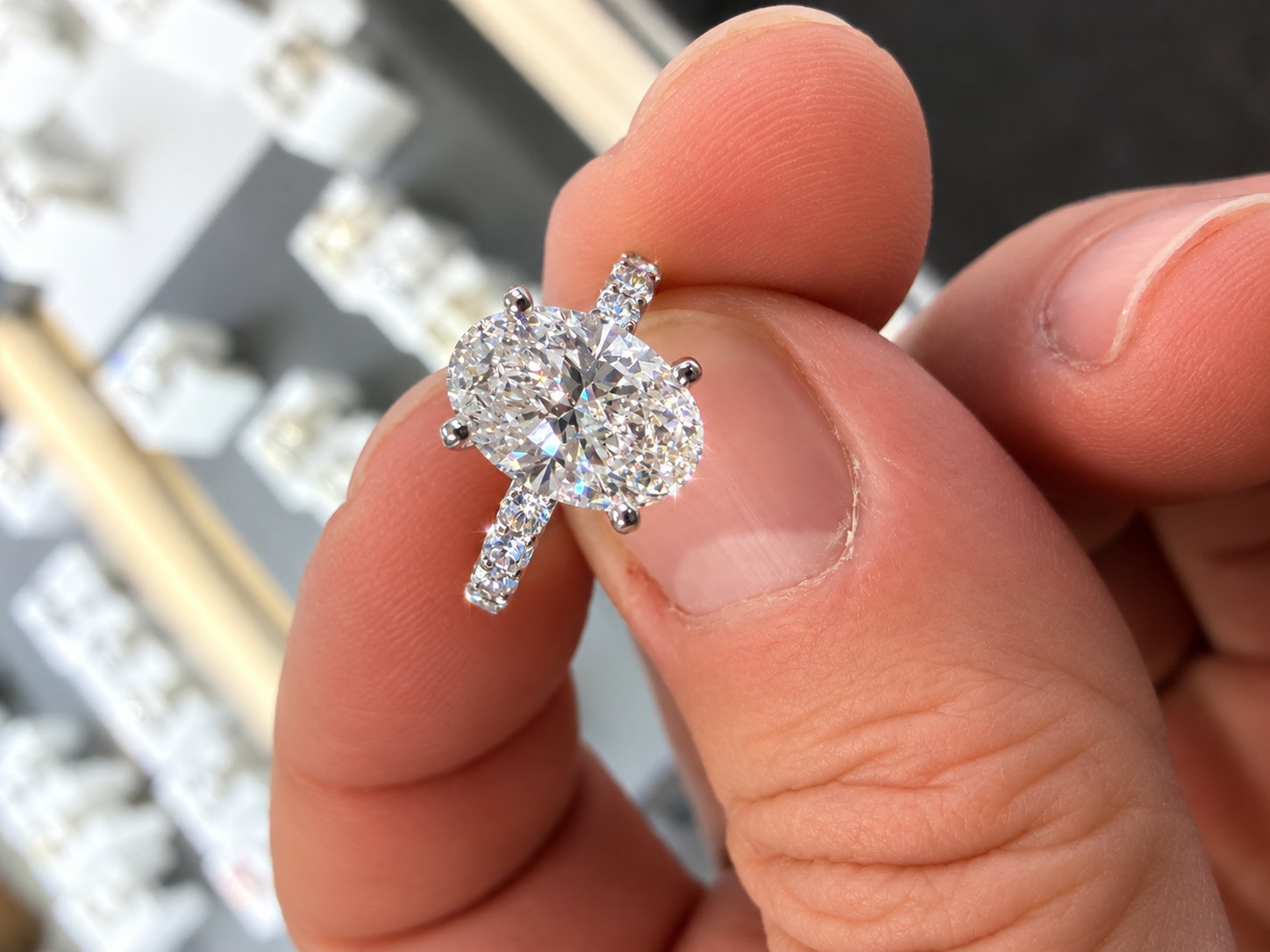
If you make $100,000 a year, should you spend $5,000 on an engagement ring? $10,000? $20,000? I hear versions of this question all the time: “How much should I spend on an engagement ring?” Sometimes it's even more specific: “I make $100,000 a year. How much should I spend?” My answer may not be what you expect: I can't tell you. Not because I don't want to help, but because I don't believe your salary should determine how much you spend on an engagement ring. There is no formula. For me, the right budget is simple: Spend an amount you feel comfortable spending.
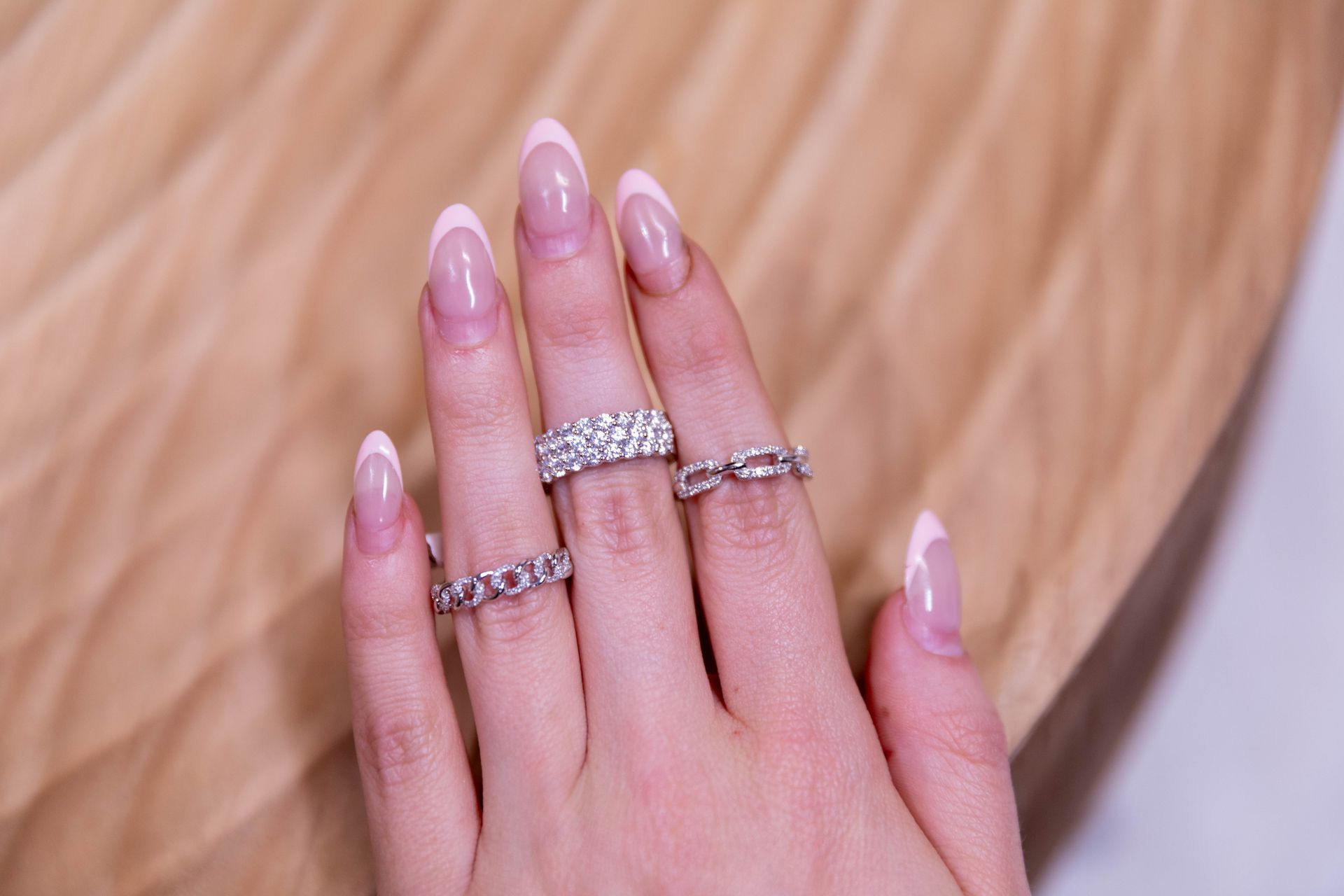
That ring, pendant, or family heirloom sitting in your jewelry box may have more possibilities than you think.
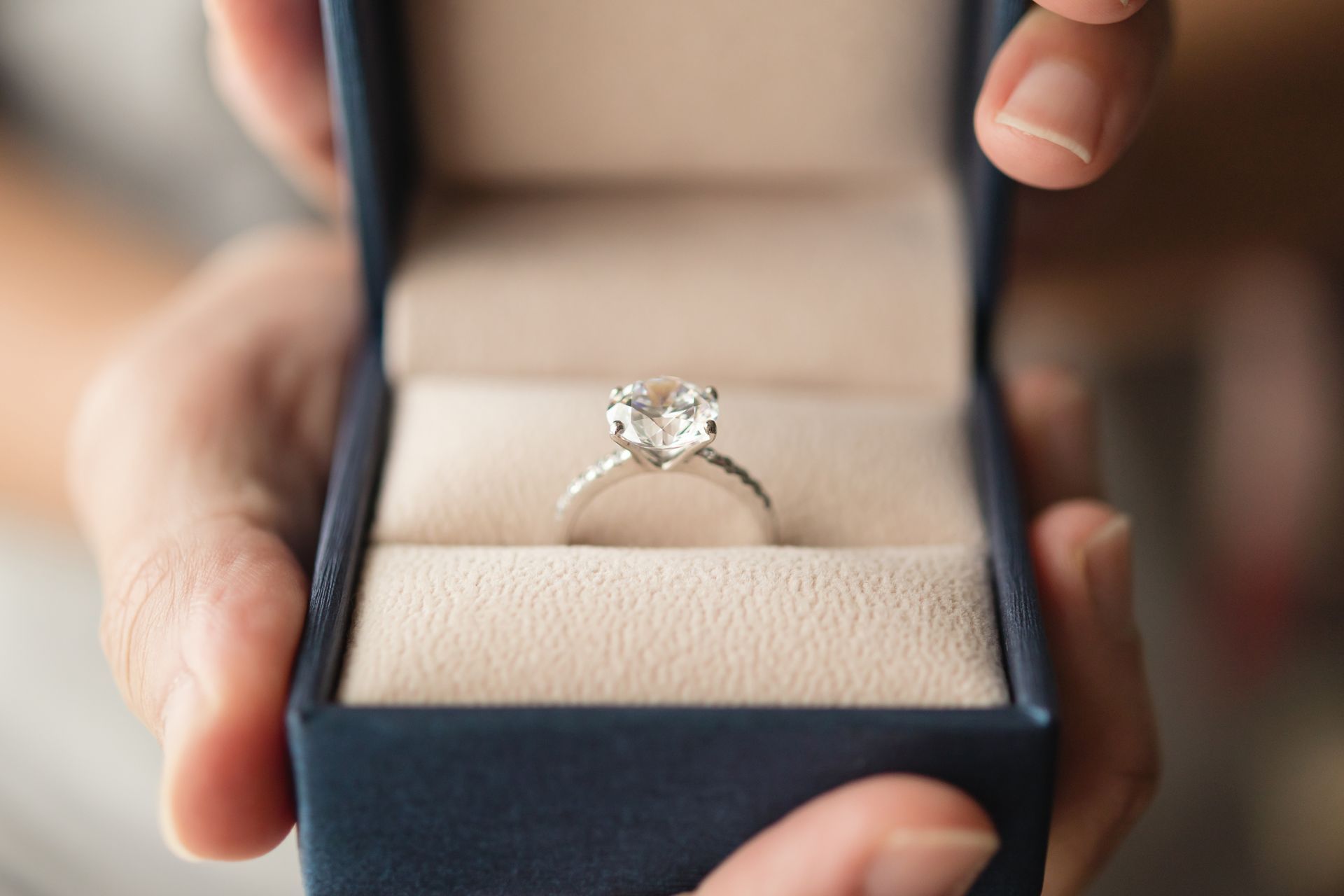
Understanding what really determines the price of a custom engagement ring and how to create one that fits your budget. One of the first questions people ask me is: "How much does a custom engagement ring cost?" The honest answer is... It depends. Not because I'm trying to avoid the question, but because every couple is different. Some people dream of a large center diamond. Others have always imagined a hidden halo or a three-stone design. Some want a natural diamond because of its rarity, while others choose a lab-grown diamond to maximize size within their budget. That's why I don't begin by asking how much you want to spend. I begin by asking what you want to create. After more than 40 years in the diamond industry, I've learned that the best engagement ring isn't the most expensive one it's the one that feels perfect for the person who will wear it every day. The Biggest Misconceptions About Custom Engagement Rings Many people believe that a custom engagement ring: Always costs more. Takes months to make. Is a complicated process. In reality, none of those things are always true. A custom ring can cost about the same as a ready-made ring, and sometimes even less, depending on the design and the materials you choose. More importantly, a custom ring is designed specifically for you. Instead of settling for something that's "close enough," you create exactly what you have in mind. What Has the Biggest Impact on Price? Many people assume the setting determines the price. In most cases, it doesn't. The biggest factors are usually: The center diamond The brand (if applicable) The ring design The metal (14K, 18K, or platinum) Side diamonds Hand engraving or other custom details For a natural diamond engagement ring, the center diamond (Natural) often represents about 75% or more of the total investmen t. With many lab-grown diamond rings, the opposite can happen. Because lab-grown diamonds are much more affordable today, custom setting may become the larger portion of the total cost. Why I Don't Start by Asking Your Budget This surprises many people. One of my first questions isn't: "What's your budget?" Instead, I ask: What style do you love? Which diamond shape catches your eye? Are you considering a natural or lab-grown diamond? Have you seen a ring that inspired you? Once I understand your vision, we can build a ring that fits comfortably within your budget. I believe that's a much better approach than starting with a number. Can You Build a Beautiful Ring on a Budget? Absolutely. One of my favorite parts of designing custom engagement rings is helping people prioritize what matters most. Some couples choose to invest more in the center diamond and keep the setting simple. Others prefer a more detailed custom design and are comfortable choosing a slightly smaller center stone. There isn't one right answer. The perfect ring is the one that makes the person wearing it smile every time they look at it. There Isn't a Wrong Way to Build a Ring People sometimes ask me: "Am I spending money on the wrong thing?" My answer is always the same. If the design you've dreamed about makes you happy... If the diamond shape is exactly what you've always wanted... Then it isn't the wrong decision. Every couple value something different. My job isn't to tell you what you should love. My job is to help you create a ring that reflects your priorities , not mine. Why a Custom Ring Is Worth Considering One of the biggest advantages of creating a custom engagement ring is flexibility. You decide: The diamond. The ring style. The metal. The details. The final look. Instead of trying to find the closest match in a display case, you're creating something that's uniquely yours. For many couples, that's what makes the ring truly special. Final Thoughts A custom engagement ring isn't about spending the most money. It's about creating something personal that you'll love for years to come. At Redmond Diamond Center, every custom ring begins with a conversation. Together, we'll discuss your ideas, compare diamonds, explore different designs, and create a ring that fits your style, your priorities, and your budget. Because the best custom engagement ring isn't the most expensive one. It's the one that tells your story.
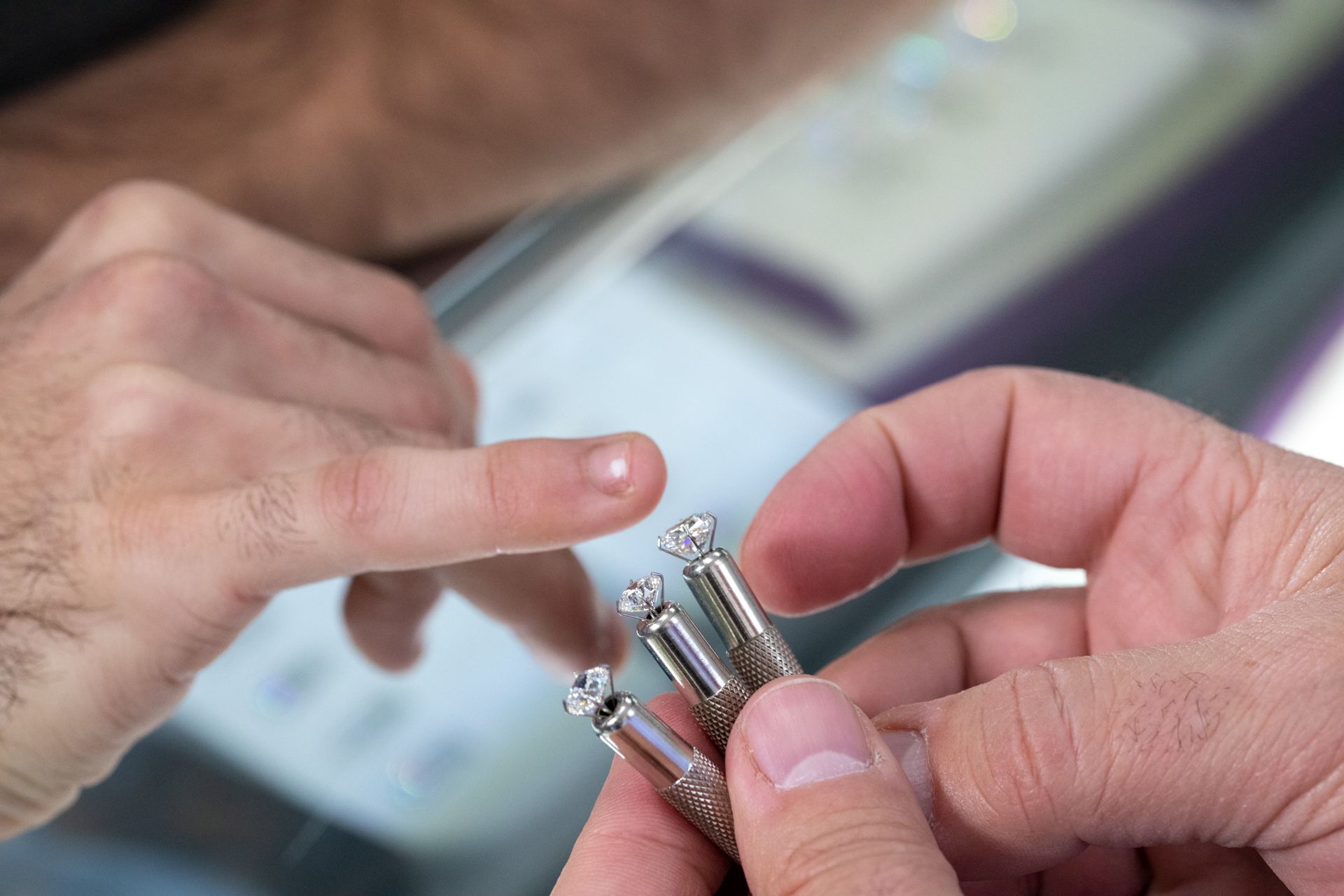
Buying a diamond is one of the most important purchases you'll ever make. Whether it's for an engagement ring, an anniversary, or another special occasion, it can also feel overwhelming. After more than 40 years in the diamond industry from cutting rough diamonds to helping thousands of customers choose the right diamond I've learned that my job isn't to sell you a diamond. My job is to help you understand your options so you can make the right decision with confidence.