

The Complete Guide to Diamond Shapes: Modern, Elongated & Antique Cuts
Understanding Beauty and Differences of Each Diamond Shape
Choosing a diamond is one of the most exciting parts of creating an engagement ring. With so many beautiful shapes available, finding the right one can also feel overwhelming.
Some people are drawn to the timeless brilliance of a round diamond. Others prefer the elegance of an oval, the soft corners of a cushion, the sophisticated lines of an emerald cut, or the distinctive character of an antique diamond.
But after more than 40 years in the diamond industry, including my early years as a diamond cutter, I've learned something important: two diamonds with the same shape, carat weight, color, and clarity can look completely different.
The way a diamond is cut, its proportions, and how it interacts with light all contribute to its beauty.
At Redmond Diamond Center in Carlsbad, I enjoy helping customers discover these differences by comparing diamonds side by side. Sometimes, the diamond they fall in love with isn't the shape they originally came to see.
Let's explore the most popular diamond shapes, including their variations, what makes each one special, and what I look for when selecting them.
Round Brilliant Diamonds: Timeless Sparkle
The round brilliant is the most classic and recognizable diamond shape.
It has remained a favorite for generations because of its exceptional ability to reflect light and create beautiful sparkle.
Modern round brilliant diamonds typically feature 57 or 58 facets, depending on whether the culet is counted. These facets are arranged to produce brilliance, fire, and scintillation.
Brilliance refers to the white light reflected from the diamond. Fire describes the colorful flashes of light, while scintillation is the sparkle and changing pattern of light and dark areas as the diamond moves.
A beautifully cut round brilliant can offer an impressive combination of all three.
However, not all round diamonds sparkle equally.
Even diamonds with similar grading reports can display differences in brightness, contrast, and overall appearance.
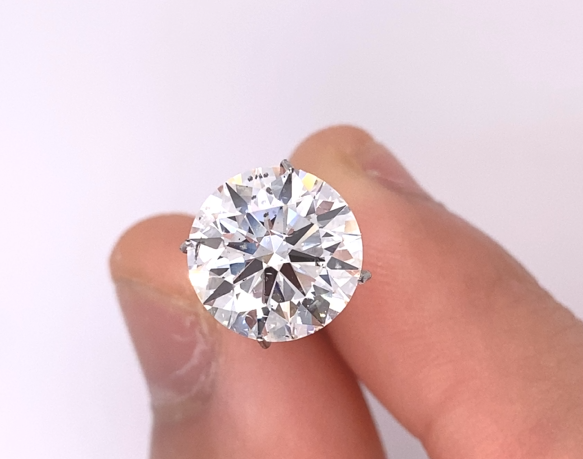
What I look for: Excellent light performance, attractive proportions, balanced contrast, and lively sparkle. I never rely on the laboratory cut grade alone.
Oval Diamonds: Elegant and Graceful
Oval diamonds have become a favorite for customers who love the brilliance of a round diamond but prefer a more elongated appearance.
Their graceful outline can create an elegant look on the finger, and they often appear larger face-up than some other diamond shapes of the same carat weight.
Not all oval diamonds look alike.
Some have a fuller, wider appearance, while others are longer and more slender.
Neither style is necessarily better. It's a matter of personal preference.
The Bow-Tie Effect
One important characteristic to examine in oval diamonds is the bow-tie effect.
This appears as a darker area across the center of the diamond, resembling a bow tie.
Some contrast is natural, but an excessively dark bow tie can make the center appear less lively.
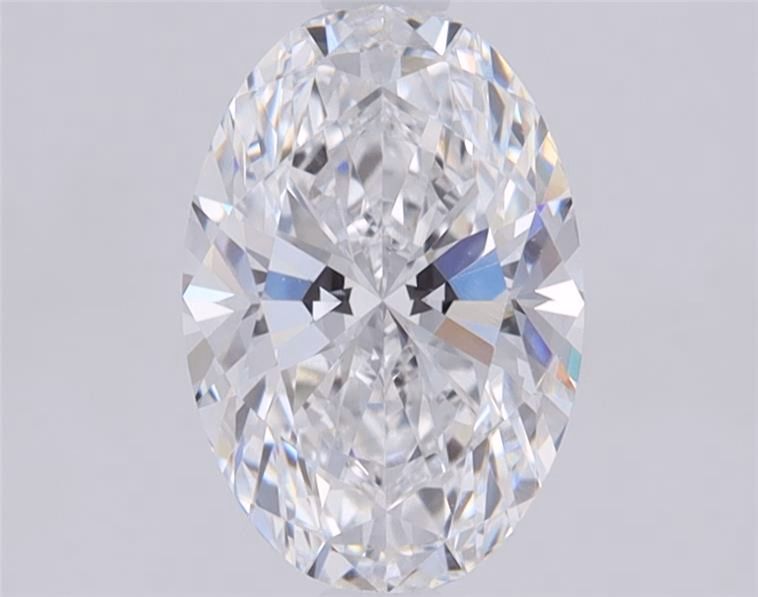
What I look for: A beautiful, balanced outline, pleasing symmetry, and good brightness throughout the diamond, without an overly distracting bow tie.
Cushion Diamonds: Square, Elongated, and Different Cutting Styles
Cushion diamonds are known for their softly rounded corners and romantic appearance.
However, the cushion family includes diamonds that can look remarkably different from one another.
Square Cushion
A square cushion has a balanced appearance with softly rounded corners.
It combines the structure of a square with a gentler, more romantic outline.
Square cushions can look beautiful in solitaire, halo, and three-stone engagement rings.
Elongated Cushion
An elongated cushion has a longer, more rectangular appearance while maintaining the rounded corners that define the cushion shape.
Its graceful silhouette can create an elegant appearance on the finger.
Some elongated cushions have softly rounded outlines, while others look more rectangular.
Cushion Brilliant and Cushion Modified Brilliant
Beyond their overall shape, cushion diamonds can have very different facet arrangements.
Some cushions display larger, well-defined flashes of light, sometimes described as a chunky appearance.
Others produce many smaller reflections, often called a crushed-ice appearance.
Neither style is automatically better.
The laboratory cutting designation alone doesn't always tell you exactly how the diamond will look.
What I look for: Attractive proportions, a pleasing facet pattern, good brightness, and the type of sparkle that appeals to the customer.
This is one of the diamond shapes where comparing several stones side by side can make a tremendous difference.
Radiant Diamonds: Square and Elongated
Radiant diamonds combine brilliant-style sparkle with a geometric outline and trimmed corners.
They are an excellent choice for customers who love the appearance of square or rectangular diamonds but want a lively, sparkling look.
Square Radiant
A square radiant offers a balanced, modern appearance.
Its cropped corners distinguish it from the sharp corners of a princess cut.
It can look especially beautiful in solitaire and geometric engagement ring designs.
Elongated Radiant
An elongated radiant has a longer, rectangular silhouette.
It creates a sleek, elegant appearance and is popular in solitaire and three-stone engagement rings.
Different Radiant Cutting Styles
Not all radiant diamonds display the same pattern of sparkle.
Some produce broader, more defined flashes of light, while others show many smaller reflections.
Certain radiants can also display darker areas or uneven brightness, depending on their facet arrangements.
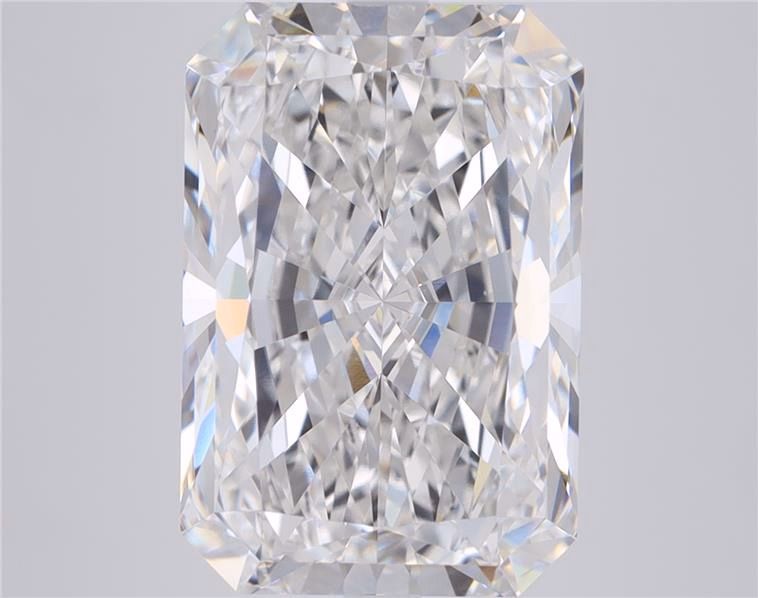
What I look for: A beautiful outline, balanced corners, lively sparkle, and good brightness throughout the diamond.
I always recommend examining the actual diamond rather than choosing a radiant based only on its specifications.
Emerald Cut Diamonds: Sophisticated Elegance
Emerald-cut diamonds have a distinctive rectangular outline with trimmed corners.
Unlike brilliant-style diamonds, emerald cuts feature long, parallel facets known as step cuts.
These facets create broad reflections and an elegant hall-of-mirrors effect.
Emerald cuts are especially appealing to customers who appreciate clean lines, symmetry, and understated beauty.
Clarity Is Especially Important
Because emerald cuts have larger, more open facets, certain inclusions can be easier to see.
An inclusion located beneath the large center table may be particularly noticeable.
However, this doesn't mean every emerald-cut diamond must have an exceptionally high clarity grade.
The location and visibility of inclusions matter more than simply choosing a grade.
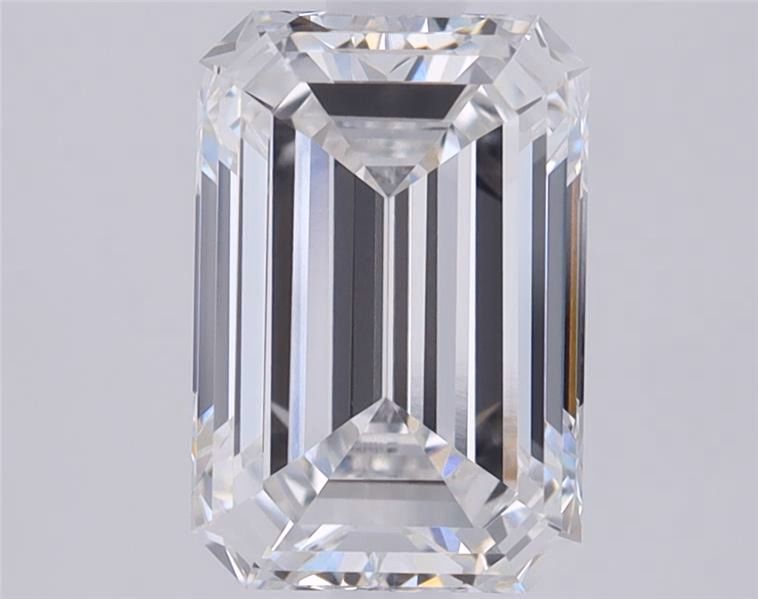
What I look for: Beautiful step patterns, attractive proportions, pleasing reflections, and a clean appearance without distracting inclusions or excessive windowing.
Emerald cuts don't need to sparkle like round diamonds to be beautiful. Their elegance comes from a different interaction with light.
Princess Cut Diamonds: Modern and Brilliant
Princess-cut diamonds are known for their square outline, sharp corners, and brilliant-style sparkle.
They offer a modern geometric appearance while maintaining lively reflections.
Although princess cuts may look similar at first glance, differences in their proportions and facet arrangements can affect their brightness and overall appearance.
One important consideration is protecting their pointed corners.
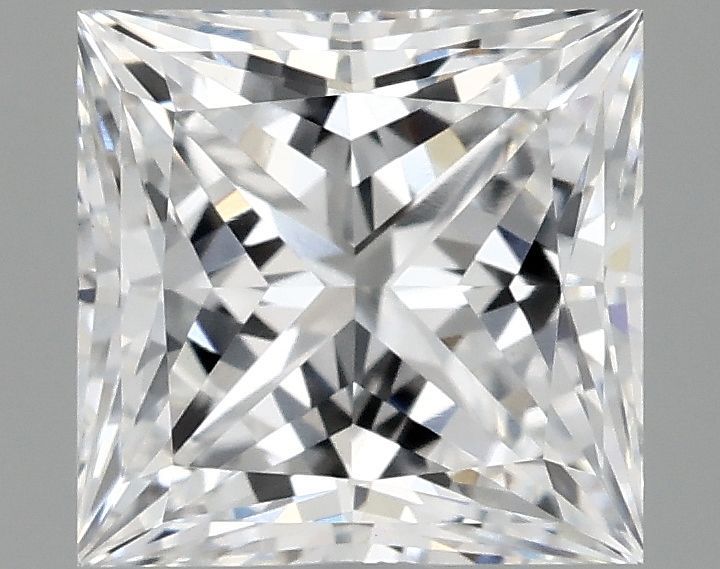
What I look for:
Attractive symmetry, good light performance, balanced proportions, and a setting that properly protects the corners.
Pear-Shaped Diamonds: Unique and Romantic
Pear-shaped diamonds combine a rounded end with a pointed tip, creating a beautiful teardrop appearance.
They offer a distinctive alternative to traditional round or oval diamonds.
Some pear diamonds have a fuller appearance, while others are more elongated.
The shape can create an elegant look on the finger and is particularly attractive in solitaire and vintage-inspired settings.
Symmetry and Bow Ties
A beautiful pear should have balanced sides, attractive shoulders, and a point that aligns properly with the rounded end.
Like oval diamonds, pear shapes may display a bow-tie effect.
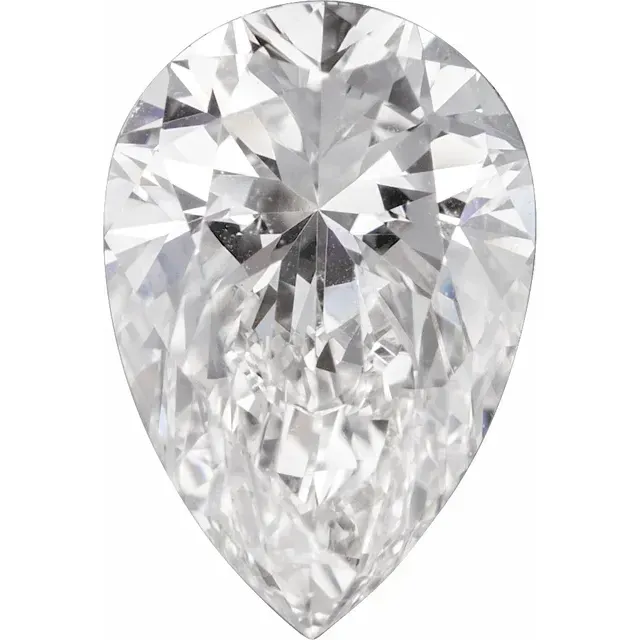
What I look for:
A graceful outline, pleasing symmetry, lively sparkle, and a center without excessive darkness.
Marquise Diamonds: Dramatic and Distinctive
Marquise diamonds have an elongated outline with pointed ends.
Their unique shape creates a dramatic appearance and can provide generous face-up coverage for their carat weight.
Some marquise diamonds have a fuller center, while others are longer and narrower.
Symmetry is particularly important because the two pointed ends should appear balanced.
Marquise diamonds can also display a bow-tie effect across the center.
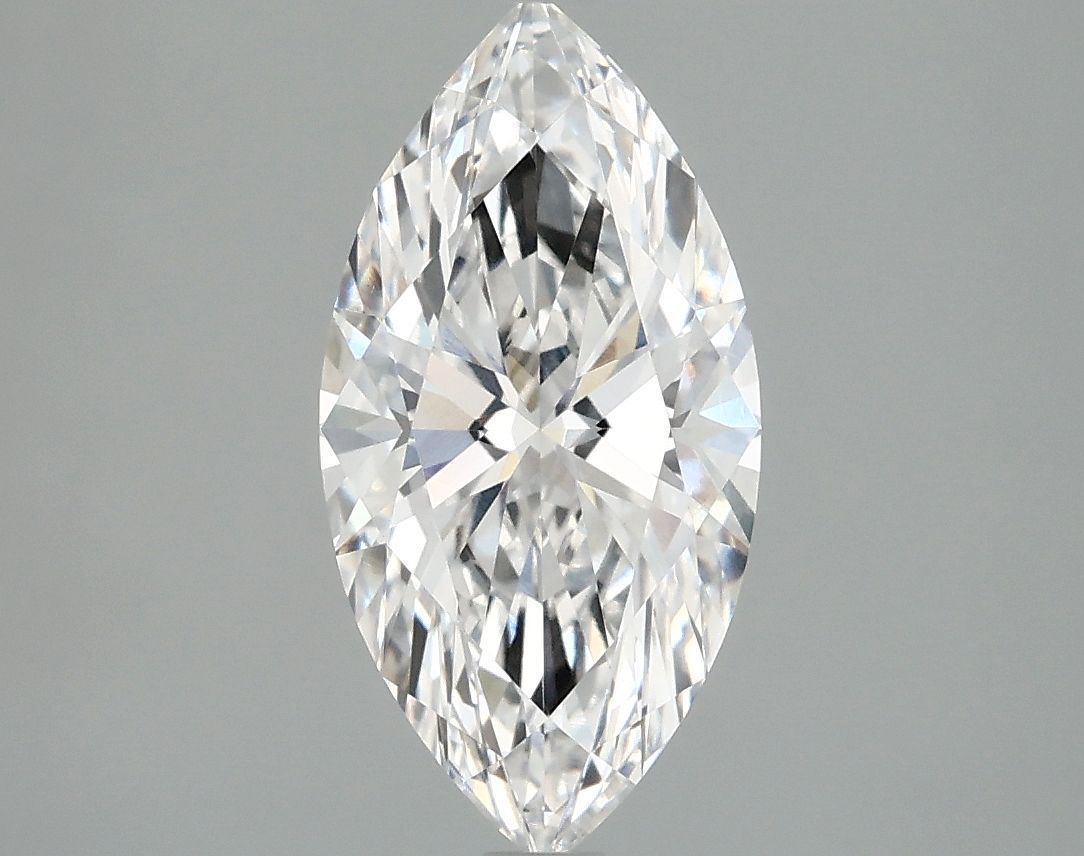
What I look for: Balanced points, attractive curves, pleasing brightness, and an overall shape that looks graceful rather than uneven.
Both pointed ends should be properly protected in the finished ring.
Asscher Cut Diamonds: Vintage Beauty and Geometric Precision
Asscher-cut diamonds are generally square with cropped corners and a distinctive step-cut facet arrangement.
They share some characteristics with emerald cuts but create a different appearance because of their square outline and concentric facet patterns.
A beautifully cut Asscher can produce a striking geometric effect that draws the eye toward the center.
Because of their open facets, inclusions and color may be more noticeable than in certain brilliant-style diamonds.
What I look for: Strong symmetry, attractive step patterns, balanced reflections, and a clean, beautiful center.
Asscher diamonds are particularly appealing to customers who appreciate Art Deco and vintage-inspired jewelry.
Heart-Shaped Diamonds: A Symbol of Romance
Heart-shaped diamonds are one of the most recognizable and romantic fancy diamond shapes.
However, creating a beautiful heart shape requires careful cutting and symmetry.
The two rounded lobes should appear balanced, the cleft should be clearly defined, and the pointed tip should align with the center.
Some heart diamonds have a fuller appearance, while others are slightly elongated.
What I look for: A clearly defined heart shape, attractive symmetry, balanced proportions, and beautiful brilliance.
Antique Diamond Cuts: Beauty from Another Era
Not every beautiful diamond was designed to sparkle like a modern round brilliant.
Before modern diamond-cutting technology, diamonds were fashioned using different techniques, tools, and proportions.
Many antique diamonds display broad flashes of light, distinctive facet patterns, and a character that makes each stone unique.
For customers who appreciate history, individuality, and vintage jewelry, antique cuts can be especially appealing.
Old Mine Cut
Old mine-cut diamonds were popular during the 18th and 19th centuries and into the early 20th century.
They often have a cushion-like outline, a high crown, a relatively small table, and a visible culet.
Their larger facets can create broad, beautiful flashes of light.
Because many were cut by hand, antique examples may have slight irregularities that contribute to their character.
Old mine cuts are particularly attractive in antique and vintage-inspired engagement rings.
Old European Cut
Old European-cut diamonds represent an important stage in the evolution of the modern round brilliant.
They typically have a round outline, a relatively high crown, a smaller table, and often a visible culet.
Their broad facet reflections create a different appearance from many modern round brilliants.
They are especially appealing to customers who love classic jewelry with historical character.
Transitional Cut
Transitional-cut diamonds developed as diamond cutting evolved from old European cuts toward modern round brilliants.
They can display characteristics of both styles.
Some have broader facet reflections associated with older cuts, while others show patterns closer to modern round diamonds.
Because transitional cuts represent a period of changing cutting techniques, their appearances can vary considerably.
Rose Cut
Rose-cut diamonds have a flat or nearly flat base and a domed top covered with triangular facets.
They have a softer, more understated appearance than modern brilliant cuts.
Their unique profile makes them particularly attractive in antique-inspired, artistic, and custom jewelry designs.
Antique Diamonds vs. Modern Antique-Style Cuts
An important distinction is that not every diamond described as an old mine cut or old European cut is genuinely antique.
Today, diamond cutters can create new diamonds inspired by historical cutting styles.
These diamonds may offer the appearance of an antique cut without actually being old.
What I look for: The overall beauty, facet pattern, condition, and individual character of the diamond.
Antique cuts should be appreciated for their unique appearance rather than judged solely against modern brilliant-cut standards.
Which Diamond Shape Looks the Largest?
One of the questions customers frequently ask is which diamond shape looks the largest.
The answer depends on more than carat weight.
Carat measures a diamond's weight, not its visible dimensions.
Two diamonds with the same carat weight can look noticeably different because of their shapes and proportions.
Elongated shapes such as oval, pear, and marquise diamonds can often provide generous face-up coverage.
However, a diamond that looks unusually large because it is cut too shallow may sacrifice attractive light performance.
My advice: Don't choose a diamond simply because it looks the largest. Look for the right balance of beauty, size, and sparkle.
Which Diamond Shape Sparkles the Most?
Modern round brilliant diamonds are specifically designed to deliver exceptional brilliance and fire.
But sparkle isn't the only characteristic that makes a diamond beautiful.
Oval, radiant, cushion, and princess-cut diamonds can offer lively brilliance with different patterns of light.
Emerald and Asscher cuts display broader, more structured reflections.
Antique cuts may produce slower, more romantic flashes.
Rather than asking which shape is universally best, I encourage customers to consider which appearance they personally enjoy most.
How Diamond Shape Affects Color and Clarity
Diamond shape and cutting style can influence how easily color and inclusions are noticed.
Step-cut diamonds, such as emerald and Asscher cuts, often reveal certain inclusions more readily because of their open facet patterns.
Some elongated diamonds may show more concentrated color near their ends or tips.
However, every diamond is different.
A well-selected diamond with a lower clarity grade can sometimes appear cleaner to the naked eye than a higher-graded diamond with a more noticeable inclusion.
The same applies to color. Two diamonds with identical color grades may appear different because of their shape, cutting style, and lighting.
This is one reason I always examine the individual diamond rather than relying entirely on the grading report.
Natural and Lab-Grown Diamonds: Does Shape Make a Difference?
Both natural and laboratory-grown diamonds are available in many beautiful shapes.
A well-cut lab-grown diamond can display the same optical characteristics as a comparable natural diamond.
The choice between natural and lab-grown diamonds involves other considerations, including origin, rarity, budget, and long-term expectations.
At Redmond Diamond Center, we explain the differences between natural and lab-grown diamonds so customers can make an informed decision.
Regardless of origin, the beauty and quality of the individual diamond remain important.
Why I Look Beyond the Diamond Certificate
After more than 40 years in the diamond industry, including experience as a diamond cutter, I've learned that a grading report is an important starting point—but it doesn't tell the whole story.
A certificate can provide valuable information about a diamond's carat weight, color, clarity, proportions, and other characteristics.
But it cannot fully communicate the diamond's visual personality.
Two diamonds with similar specifications can display very different patterns of brilliance, contrast, and sparkle.
That's why I always begin by looking at the diamond itself.
I examine its overall appearance, proportions, inclusions, and light performance.
I also pay attention to how the diamond looks in different lighting conditions.
When customers are deciding between shapes, comparing diamonds side by side is often the best way to understand the differences.
Sometimes, the diamond that looks best on paper isn't the one that looks most beautiful in person.
Finding the Diamond Shape That's Right for You
There is no single perfect diamond shape for everyone.
Some customers love the timeless brilliance of a round diamond. Others prefer the elegance of an oval, the romantic appearance of an elongated cushion, or the clean lines of an emerald cut.
Some are drawn to the distinctive beauty of antique diamonds.
Your engagement ring should reflect your personality, your style, and what you enjoy wearing.
The best diamond isn't necessarily the largest, the highest graded, or the most expensive.
It's the diamond that looks beautiful to you and feels right every time you see it.
At Redmond Diamond Center in Carlsbad, California, we help customers throughout North County San Diego explore natural and lab-grown diamonds, compare different shapes, and create engagement rings designed around their individual preferences.
With more than 40 years of experience in the diamond industry, my goal is simple: to help you understand what you're buying and choose a diamond you'll truly enjoy.
Discover Your Perfect Diamond at Redmond Diamond Center
Whether you're considering a classic round brilliant, an elongated cushion, a square radiant, an elegant emerald cut, or an antique-inspired diamond, we're here to help you explore the possibilities and find the right one for you.